
A hand embroidered Pashmina shawl is more than a winter accessory. It represents patience, craftsmanship, traditional design, and the skills of artisans who carefully work on each piece by hand. From selecting and preparing the fabric to weaving, finishing, and adding detailed embroidery, the making of a quality shawl can involve many stages of skilled craftsmanship.
In Islampur, Swat, shawl making has become an important part of the local textile tradition. Skilled handmade artisans continue to produce traditional Swati shawls using techniques passed down through generations. This connection between the artisan and the finished product gives handmade shawls a character that is difficult to reproduce through mass production.
For women looking for pakistani winter shawls, a hand embroidered Pashmina shawl can combine warmth with traditional Pakistani artistry. It can be worn with a formal dress, shalwar kameez, abaya, or other winter outfits.
A hand embroidered Pashmina shawl is a shawl made from fine Pashmina or Pashmina-style fabric and decorated with embroidery created by skilled artisans.
Unlike printed patterns, hand embroidery is created stitch by stitch. The artisan follows a design and carefully adds decorative details to the fabric. Depending on the design, embroidery may include floral motifs, traditional patterns, borders, or delicate decorative elements.
The beauty of a hand embroidered Pashmina shawl comes from the combination of the fabric and the craftsmanship. The fabric provides softness and warmth, while the embroidery gives the shawl its distinctive appearance.
For shoppers exploring pakistani shawls online, handmade embroidery is one feature worth considering when comparing different shawls.
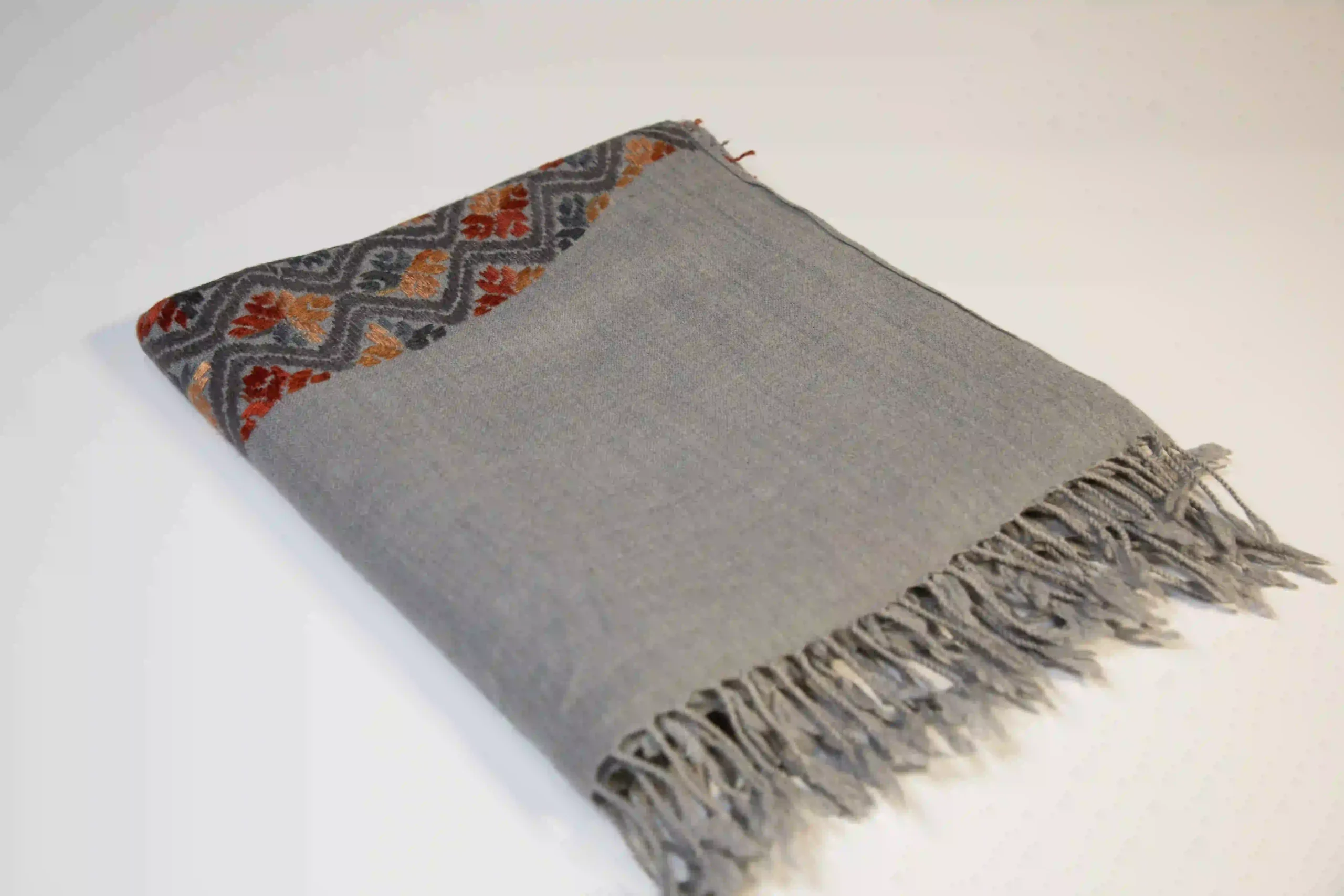
Hand embroidery is one of the oldest forms of textile decoration. Before modern machines became common, artisans decorated clothing, shawls, scarves, and household textiles using needles, thread, and carefully developed patterns.
The process requires concentration and patience. A skilled artisan may spend many hours working on a single design, particularly when the embroidery is detailed.
Hand embroidery has several characteristics that make it different from ordinary printed or machine-produced designs:
This is why handmade textile products are often valued not only for their appearance but also for the craftsmanship behind them.
Islampur Swat is known for its traditional textile and shawl-making culture. Local artisans work with different types of wool and fabrics to create shawls, chadars, and other traditional products.
The making of a shawl can involve several stages.
The process begins with selecting suitable fibre or fabric. For a Pashmina-style shawl, the softness, fineness, texture, and quality of the material are important.
Different materials produce different levels of warmth, softness, weight, and drape.
2. Preparing the Yarn
When the shawl is made from wool-based fibre, the material must be prepared and processed before weaving. The fibres are transformed into yarn that can be used to create the textile.
3. Weaving the Shawl
The prepared yarn is woven to create the basic fabric. In traditional weaving communities, experienced artisans understand how different yarns and weaving techniques affect the final texture.
This stage requires skill because the quality of the woven fabric influences the final appearance and feel of the shawl.
4. Designing the Embroidery
Once the fabric is ready, the embroidery design can be planned. Traditional floral, geometric, and border patterns may be used depending on the style of the shawl.
5. Hand Embroidery
This is where the artisan’s craftsmanship becomes particularly visible.
The artisan works carefully with a needle and thread, following the design and adding each detail manually. A complicated design can require considerable time and concentration.
The result is not simply a piece of fabric with decoration. It is a textile that reflects the artisan’s skill and patience.
6. Finishing and Quality Checking
After embroidery, the shawl is checked for loose threads, finishing quality, symmetry, and overall appearance. The edges and fabric are also prepared so the shawl is ready to be worn.
This complete process helps explain why handmade shawls can have a special place in traditional clothing.
Behind every traditional handmade shawl are people with practical knowledge of textile production.
Artisans in Islampur Swat contribute to the continuation of local weaving and embroidery traditions. Their knowledge includes handling fabric, understanding yarn, operating traditional or modern looms, creating patterns, and completing decorative work.
For many artisans, these skills are not simply a profession. They are part of a local craft tradition.
A handmade shawl therefore connects the customer with the craftsmanship of the person who created it. Small variations in stitching or pattern should not necessarily be considered imperfections; they can be a natural characteristic of handmade work.
There are several reasons women choose embroidered Pashmina-style shawls.
Traditional Appearance
Embroidery adds a traditional character to the shawl and can complement Pakistani formal clothing.
Handmade Craftsmanship
A handmade product reflects the time and skill invested by the artisan.
Versatile Styling
A Pashmina shawl can be worn with traditional dresses as well as modern winter outfits.
For women searching for a pashmina shawl for women, embroidered designs offer an option that combines warmth with decorative detail.
You can also explore different styles through the shawls for women collection and compare traditional and contemporary designs.
The phrase pashmina shawl pakistan is often associated with softness, elegance, winter clothing, and South Asian textile traditions.
Today, women can find everything from simple solid-color shawls to highly decorated embroidered designs. Some are intended for everyday winter use, while others are designed for weddings, formal events, and special occasions.
A pashmina shawl for women can be styled over a plain outfit when you want the shawl to become the main decorative element.
For a simpler traditional option, an original Pashmina-style shawl can work well with everyday Pakistani clothing.
A pashmina black shawl is a particularly versatile choice because black can complement many colors.
It can be paired with:
Black also provides a strong background for contrasting embroidery, allowing floral or decorative patterns to become more noticeable.
Women have many options when shopping for winter shawls pakistan. The right choice depends on the fabric, warmth, embroidery, color, size, and occasion.
If you are searching for a winter shawl for women, consider where you will use it first.
For everyday winter use, a relatively simple woolen design may be practical. For weddings or formal events, an embroidered Pashmina shawl may be more suitable.
A woolen shawl for ladies can also be a useful choice for colder weather when warmth is the main priority.
If you prefer a traditional style, you can also explore a ladies chadar for a different way of wearing a winter wrap.
A good winter shawls collection usually includes different materials, colors, patterns, and levels of decoration.
When comparing shawls, look at:
Check the texture, softness, weight, and overall quality of the material.
Look closely at the stitching. Handmade embroidery should have a carefully developed pattern and clean finishing.
A larger shawl provides more coverage and can be styled in several ways.
Neutral shades are versatile, while bold colors can make the shawl a statement piece.
Consider whether you need the shawl for everyday winter wear, office clothing, weddings, or formal events.
You can compare options such as a winter shawl when looking for a practical winter layer.
Khadi winter shawls are another example of traditional textile products that appeal to people who appreciate natural-looking textures and heritage clothing.
Khadi and wool-based shawls are different from Pashmina, so shoppers should not assume that all traditional shawls have the same fibre, softness, warmth, or production method.
The best choice depends on the intended use, budget, and preferred texture.
People searching for winter shawls brands in pakistan will find a wide range of choices, from large fashion retailers to specialized traditional textile businesses.
Searches may also include products such as a bareeze winter shawl, designer winter collections, handmade Swati shawls, Pashmina-style products, wool shawls, and embroidered wraps.
Instead of choosing a shawl based only on the brand name, compare the material, construction, embroidery, size, origin, and intended use.
For shoppers interested in traditional craftsmanship, the story behind the product can be just as important as its appearance.
Shopping for pakistani winter shawls online makes it easier to compare styles, colors, materials, and designs from different sellers.
When buying online, check:
For customers interested in traditional Swati craftsmanship, look for product information that explains where the shawl is made and how it is produced.
A dedicated [Swati shawl] can be a suitable choice for people interested in the textile heritage of Swat.
If you are searching for a winter shawl for ladies online, photographs alone may not tell you everything.
Read the product description carefully and check whether the product is described as wool, Pashmina, a wool blend, or another material.
Also check the measurements. A shawl that looks large in a photograph may be smaller than expected.
For a decorative style, examine the embroidery closely. Good product photographs should show the pattern and finishing details clearly.
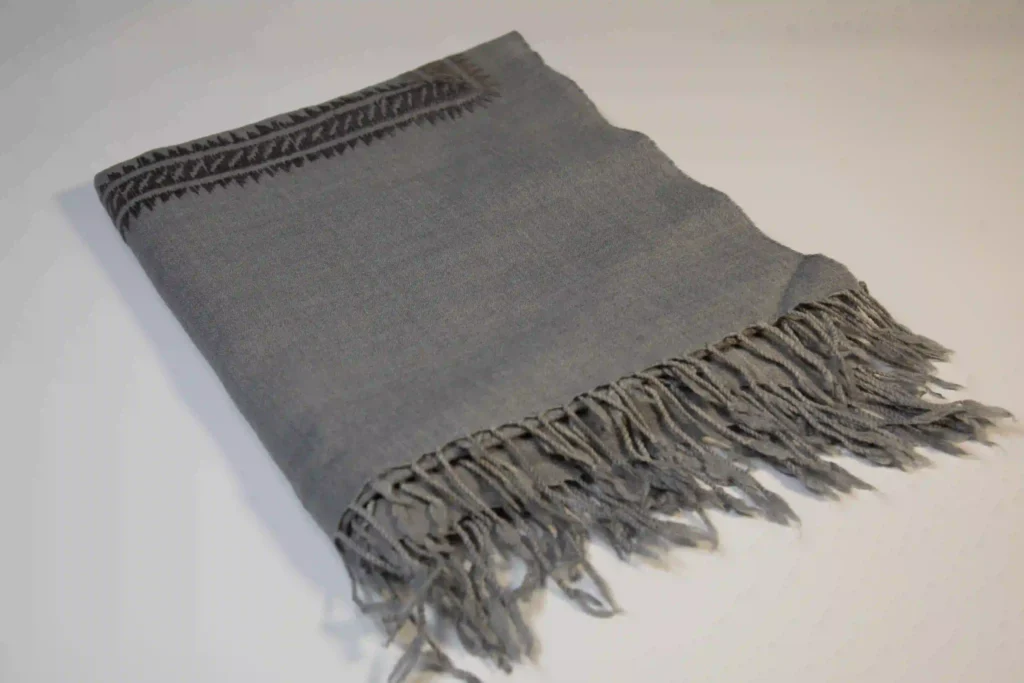
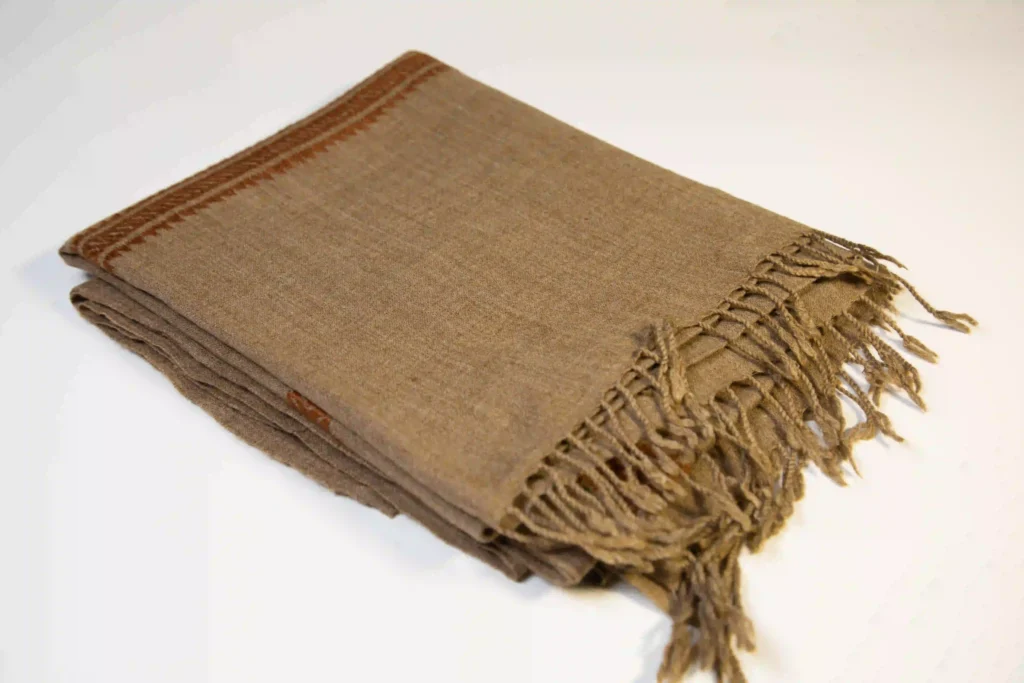
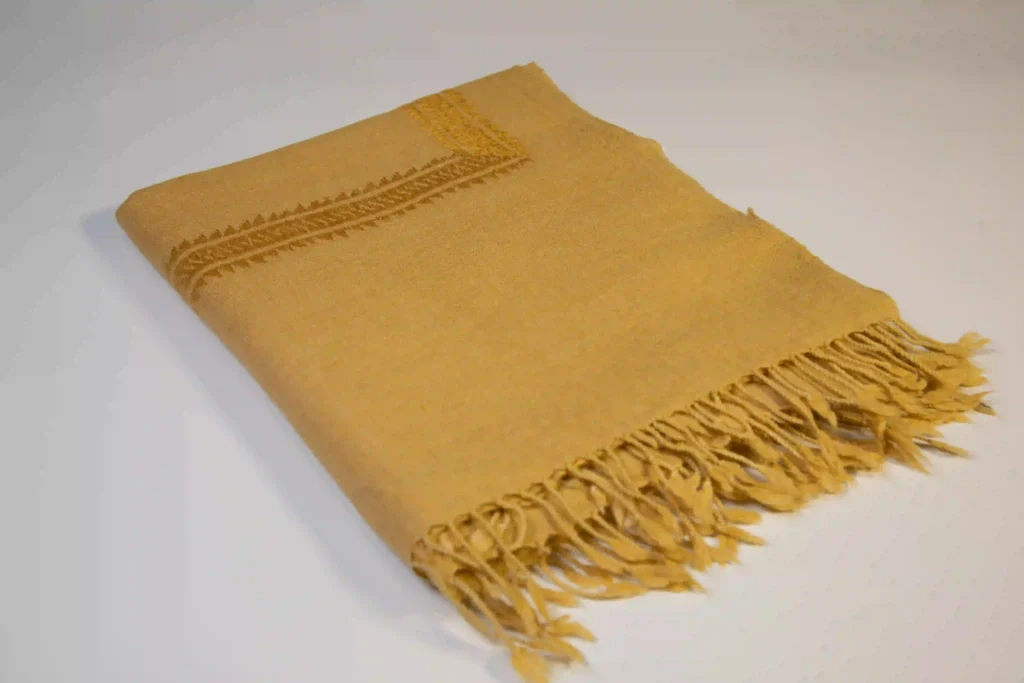
A handcrafted ladies Plain shawl of premium 48/2 wool that seamlessly blends two embroidery styles: delicate scattered motifs on the body and an intricate, defined border. Available in four sophisticated colors, offering balanced elegance and authentic Swati warmth.
30 in stock
The pashmina shawl price in pakistan can vary considerably depending on the material, quality, craftsmanship, embroidery, size, and finishing.
A handmade embroidered shawl may cost more than a simple mass-produced shawl because it can require additional artisan time.
When comparing pashmina shawl price, do not look at the price alone. Consider what you are receiving for that price, including the material, workmanship, size, design, and finishing.
This is especially important when comparing products advertised as Pashmina because different sellers may use the term differently.
Several factors can influence the final price:
A highly detailed hand embroidered shawl can require significantly more labor than a plain shawl.
A girls shawl can be chosen according to age, size, outfit, and weather conditions.
For younger girls, lightweight and easy-to-wear styles may be more practical. For teenagers and young women, embroidered shawls can provide a traditional appearance for weddings, family events, and winter gatherings.
The most important considerations are comfort, suitable size, and ease of wearing.
A woolen shawl for ladies can be a practical option for everyday winter clothing.
Wool-based shawls are popular because wool naturally provides insulation while remaining useful as a wearable textile. For colder weather, the thickness and construction of the shawl are important considerations.
If you want something more decorative, an embroidered shawl can combine everyday warmth with a more formal appearance.
For another style, consider the Breeze shawl as part of a wider collection of women’s wraps.
One of the most common questions when buying an embroidered shawl is whether the embroidery is handmade or machine-produced.
Machine Embroidery
Neither should automatically be judged only by appearance. The important point is to understand what type of craftsmanship you are purchasing.
How to Style a Hand Embroidered Pashmina Shawl
A hand embroidered Pashmina shawl can be styled in several ways.
Over the Shoulders
Place the shawl over both shoulders and allow the embroidered section to remain visible at the front.
One-Shoulder Style
Drape the shawl over one shoulder for a relaxed but elegant appearance.
With Shalwar Kameez
Pair a detailed embroidered shawl with a simpler outfit so that the shawl becomes the main visual feature.
With Formal Dresses
A carefully selected embroidered shawl can complement wedding and formal clothing.
For another traditional option, explore a [women chadar] that can be worn with Pakistani outfits.
How to Care for a Hand Embroidered Pashmina Shawl
Handmade shawls should be handled carefully.
Avoid Unnecessary Washing
Do not wash the shawl repeatedly unless necessary. Always follow the care instructions provided for the specific fabric.
Store It Properly
Fold the shawl gently and store it in a clean, dry place away from excessive moisture.
Protect the Embroidery
Avoid catching embroidered areas on rough surfaces or sharp accessories.
Handle It Carefully
Do not pull loose threads. If a thread becomes loose, have it repaired professionally rather than cutting it immediately.
Proper care can help preserve both the fabric and the embroidery.
The importance of an Islampur shawl comes from the connection between local textile production and skilled craftsmanship.
The region’s artisans have developed practical knowledge around weaving and traditional shawl production. This creates a product that represents more than winter clothing.
When you purchase a handmade shawl, you are also purchasing the result of someone’s time, skill, and craftsmanship.
This is one reason traditional Pakistani textile products continue to have cultural and commercial value.
When shopping for pakistani shawls online, focus on information rather than photographs alone.
Look for:
You can explore different women’s styles through a shawl collection and compare plain, embroidered, wool, and traditional designs.
For customers interested in a more traditional wrap, a women’s chadar can also be considered.
A hand embroidered Pashmina shawl is a shawl decorated manually by skilled artisans using needle-and-thread embroidery. Its appeal comes from the combination of the fabric, traditional design, and handmade craftsmanship.
Are Pashmina shawls made in Islampur Swat?
Islampur Swat has a strong tradition of shawl and textile production, with local artisans involved in weaving and related craftsmanship. Products can vary in material and construction, so buyers should check the individual product description.
Why is hand embroidery more time-consuming?
Hand embroidery requires an artisan to create decorative details stitch by stitch. Complex patterns can therefore require considerable time and concentration.
What affects the Pashmina shawl price in Pakistan?
The material, quality, size, embroidery, craftsmanship, design complexity, and finishing can all influence the price.
Is a Pashmina shawl suitable for winter?
Yes, depending on the material and construction, a Pashmina or Pashmina-style shawl can be used as a winter layer. The warmth of individual products can vary.
Where can I buy Pakistani winter shawls online?
You can compare pakistani winter shawls online by checking material, dimensions, craftsmanship, design, care instructions, and seller information before purchasing.
What is the difference between a Pashmina shawl and a woolen shawl?
Pashmina refers to a specific fine animal fibre traditionally associated with certain types of luxury textiles, while wool is a broader category of animal fibre. Products marketed under these names can vary, so checking the material description is important.
A hand embroidered Pashmina shawl brings together fabric, traditional design, and the skill of handmade artisans. In Islampur Swat, shawl-making represents a local craft tradition in which weaving, finishing, and decorative work contribute to the character of the final product.
Whether you are searching for a winter shawl for women, a formal embroidered wrap, a pashmina shawl for women, or traditional pakistani winter shawls, understanding how a shawl is made can help you make a more informed choice.
A handmade shawl is not only something to wear during winter. It can also represent the time, patience, and craftsmanship of the artisan who created it.